
Original Article
Eduweb, 2026, abril-junio, v.20, n.2. ISSN: 1856-7576
Doi:https://doi.org/10.46502/issn.1856-7576/2026.20.02.3
Engineering education for a greener future: A review of curricula, competencies, and pedagogy in the era of industry 5.0
Carlos Gómez Chacón
Doctoral Student in Education; Assistant Professor, School of Computer Engineering, Universidad Católica Andrés Bello, Caracas, Venezuela.
https://orcid.org/0009-0001-7711-495X
Cómo citar:
Gómez Chacón, C. (2026). Engineering education for a greener future: A review of curricula, competencies, and pedagogy in the era of industry 5.0. Revista Eduweb, 20(2), 34-52. https://doi.org/10.46502/issn.1856-7576/2026.20.02.3
Recibido: 19/04/26 Aceptado: 30/05/26
Resumen
Este artículo está dirigido a profesores, diseñadores instruccionales y personal académico que deseen integrar la educación en sostenibilidad en las instituciones de educación superior. En él se analizan los últimos avances en materia de cambio climático y educación en sostenibilidad, con especial atención a la ingeniería, y se centra en tres dimensiones: el diseño curricular, las competencias y las estrategias pedagógicas. Basándose en una revisión semisistemática de la literatura académica de 2020 a 2025, el estudio explora la integración de la sostenibilidad en los planes de estudios y analiza marcos para evaluar la eficacia de la educación en sostenibilidad. Destaca las competencias en sostenibilidad y las habilidades ecológicas que los ingenieros necesitan para abordar el cambio climático, y examina su conexión con tendencias recientes como la Industria 5.0. Además, el artículo describe las principales metodologías de enseñanza utilizadas en la educación sobre el cambio climático y la sostenibilidad. Se identifican varios retos, como la tensión entre la sostenibilidad débil y la fuerte, las críticas al marco STEM, la brecha de género y la falta de alineación entre los programas académicos y las demandas de la industria. La brecha de género no es solo un desequilibrio demográfico, sino que también puede contribuir al bajo nivel de compromiso con el medio ambiente observado entre los estudiantes. Al mismo tiempo, el concepto de desarrollo sostenible ha sido criticado por su énfasis en el crecimiento económico, que algunos autores identifican como la raíz de la crisis medioambiental.
Palabras clave: cambio climático, desarrollo sostenible, enseñanza superior, ingeniería.
Abstract
This article is directed towards faculty members, instructional designers, and academic staff who wish to integrate sustainability education into higher education institutions. It studies recent developments in climate change and sustainability education, with emphasis on engineering, and focuses on three dimensions: curriculum design, competencies, and pedagogical strategies. Based on a semi-systematic review of academic literature from 2020 to 2025, the study explores the integration of sustainability into curricula and discusses frameworks for assessing the effectiveness of sustainability education. It highlights sustainability competencies and green skills which engineers need to address climate change, and examines their connection to recent trends such as Industry 5.0. Furthermore, the article describes the main teaching methodologies used in climate change and sustainability education. Several challenges are identified, such as the tension between weak and strong sustainability, critiques of the STEM framework, the gender gap, and misalignment between academic programs and industry demands. The gender gap is not only a demographic imbalance, it may also contribute to the low level of commitment to the environment observed among students. At the same time, the concept of sustainable development has been criticized for its emphasis on economic growth, which some authors identify as the root of the environmental crisis.
Keywords: climate change, engineering, higher education, sustainable development.
Introduction
According to current scientific evidence, climate change is one of the greatest threats to humanity (Kemp et al., 2022). The latest Intergovernmental Panel on Climate Change (IPCC) report warns that if greenhouse gas emissions are not significantly reduced in the coming decades, global temperatures will rise by 2°C above pre-industrial levels within this century (Allan et al., 2023). National climate targets, updated in 2025, encompass diverse mitigation and adaptation strategies. These, in turn, drive the demand for professionals with ecological competencies across the energy, construction, and agriculture sectors (UNFCCC, 2025).
Education is essential in addressing climate change, both for developing the skills necessary for the transition to a sustainable industry and for cultivating informed citizens (Secretary of State for Energy Security and Net Zero, 2025). Between 2023 and 2024, global demand for workers with green skills grew at twice the rate of supply (LinkedIn, 2024). If this trend continues, it is estimated that by 2030, 20% of green-skilled job positions will remain unfilled. A recent study identified the sectors with the highest demand for green-skilled jobs as utilities, construction, manufacturing, and technology, information, and media (LinkedIn, 2024). However, the transition will also require emerging technologies and new types of industries, making green skills a constantly evolving set of competencies (Cook & Elliott, 2025). Startups accelerate the shift to sustainability through innovation. With venture capital for green startups hitting €74 billion in 2021 (Dechezleprêtre & Kelly, 2025), education must prioritize both green skills and the complex thinking required for sustainable entrepreneurship.
This article explores the challenge of training engineers with the skills needed to develop solutions for climate change mitigation and adaptation, as well as to lead the transition toward a more sustainable society. The first step in addressing this question is to review existing research; therefore, this study conducts a semi-systematic analysis of the literature on the teaching of sustainability and climate change in engineering.
Engineers are responsible for designing and developing solutions for climate change mitigation and adaptation; therefore, it is necessary to transform engineering education to teach competencies related to climate science, environmental impacts, and the design of resilient systems (Martin et al., 2022). Furthermore, engineers will have to solve problems both within and beyond the boundaries of their own discipline (Van den Beemt et al., 2020). An example of this is the design of photovoltaic systems, which requires simulation skills to measure their impact on the power grid and meteorological skills to estimate environmental effects, such as shading and dust, on panel performance (Bamisile et al., 2025).
Although ethics has been part of engineering education since the 1970s, it has become more important today because production processes are more globally interconnected and have far-reaching consequences for the environment, communities, and future generations. For example, cobalt is one of the main elements in lithium-ion batteries, but more than half of this metal’s extraction takes place in the Democratic Republic of the Congo, where a significant portion (15–20%) is mined from artisanal mines that can cause permanent damage to the health of communities (Banza Lubaba Nkulu et al., 2018).
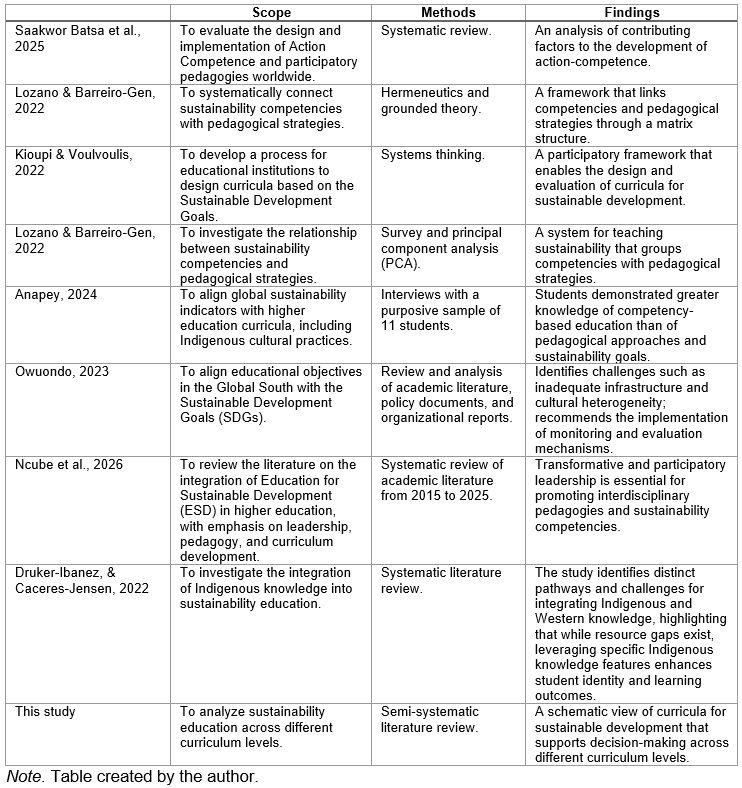
Several articles have examined the relationship between sustainable development competencies, pedagogical strategies, and systems thinking. The following table presents a comparison of previous studies, showing the contribution of each and its differences with the present work.
Table 1.
Related Work.
A documentary analysis was performed to know the current trends in the teaching of climate change and sustainability in engineering, reviewing academic articles to identify the contents that are taught, the underlying theories, models, and schemes, the pedagogical strategies, and any other characteristic of the education of these topics without any previous conception or particular expectation of what was going to be found.
A semi-systematic literature review was conducted to identify the main themes regarding the teaching of climate change. Snyder (2019) posits that while the objective of a systematic review is to analyze all works surrounding a research problem, usually in a statistical way, the semi-systematic review examines common themes in studies conducted by different research groups and among different disciplines to contrast and compare them. In this work, only articles published in the last five years (from 2020 until the date of editing of this article) were taken into account, given that the objective is to investigate the state of the art in this subject.
The reviewed literature is heterogeneous in terms of methodologies and theoretical approaches. It includes works originating in different disciplines, such as Education for Sustainable Development (ESD), ecology, and competency-based education. Although all address environmental education, they do so from distinct ethical positions, ranging from instrumentalist to intrinsic approaches. This wide range of concepts makes a systematic review unsuitable, due to the differences in meaning. By contrast, thematic analysis allows the description and comparison of these diverse perspectives.
Open access articles indexed on the Google Scholar platform and those available in full text on the EBSCOhost platform were consulted, using the following search terms:
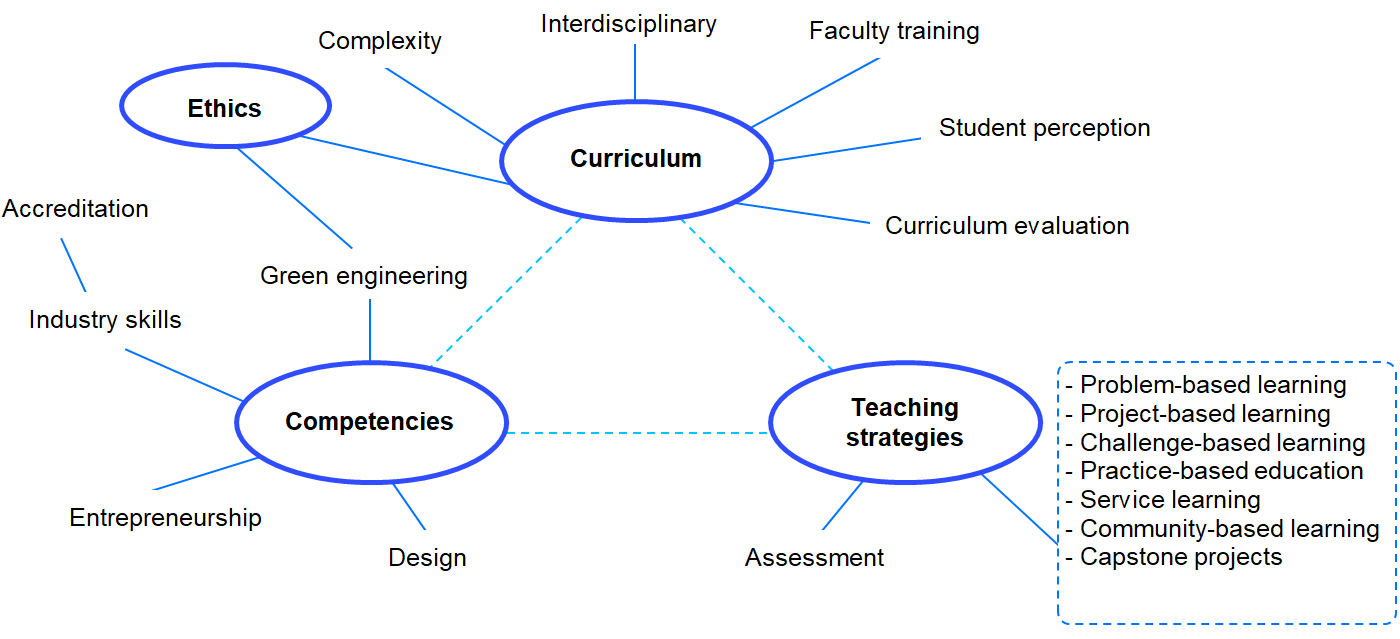
Figure 1. Main Themes Identified in the Literature.
Note. Figure created by the author
The first 60 documents were taken into account in order of relevance yielded by each query. Google Scholar determines the ranking of the documents considering the relative frequency of the search terms within the full text, as well as how many times they have been cited and how recently. EBSCOhost evaluates the presence of the terms in the subject, title, keywords, abstract, and full text of the article.
This process yielded an initial set of 64 works, of which 20 that were not directly related to higher education were excluded, resulting in 44 articles. During the analysis stage, additional sources were consulted to reinforce some theoretical concepts, as well as works cited within the chosen articles.
In the analysis, common concepts were identified in the set of works that served as thematic axes to organize the discussion, according to a classification of a maximum of two levels formed by themes that may contain subthemes. This hierarchy is presented in Figure 1. Below, the analysis is developed, explaining for each element its relevance in the context of the teaching of climate change and sustainability in engineering.
The themes identified in the literature are organized into four main categories: curriculum, competencies, pedagogical strategies, and ethics.
The UN 2030 Agenda defines 17 sustainable development goals to guide a transition of countries toward a growth model that promotes human rights and respects the balance with the environment. Education for sustainable development (ESD) seeks to train students in the complex economic, social, and environmental problems that must be faced to advance in the SDGs between now and 2030 (Shahidul, 2020).
In general, there are two ways to incorporate ESD into the curriculum: the first is to include one or two sustainability subjects, which is considered the naive approach (Nikolić & Vukić, 2021). The second is to transform the curriculum to integrate the values, contents, and competence of sustainability (Guerenabarrena-Cortazar et al., 2021). However, this requires major institutional changes; therefore, the first type of integration is usually chosen (Nikolić & Vukić, 2021).
Numerous researchers have integrated sustainability content into existing subjects at the institution. For example, Ashraf & Alanezi (2020) explore the micro-curriculum technique where they analyze the content of basic and engineering subjects to add topics on environmental problems and their solutions. Zuin et al. (2021) report that several universities have incorporated Green Chemistry and Sustainable Chemistry competencies by adjusting the curriculum and didactic strategies to promote systems thinking and ecological reflection. Yuan et al. (2024) demonstrate that by incorporating knowledge and didactic experiences about sustainability into the curriculum, students' interest in this discipline increases, depending on their self-efficacy.
In addition to promoting teaching and research in sustainability, higher education institutions must lead by example by reducing their environmental impact through improvements such as the use of renewable energies and waste recycling, and by disclosing these achievements within the university community and in the communities around them (Žalėnienė & Pereira, 2021).
The word complexity comes from the Latin plecto, which means to bind, to weave. In complex problems, several elements interact, as if they were part of a fabric and were connected by a thread (Sigahi & Sznelwar, 2022). Classical engineering, which is based on reductionism, mechanism, and on breaking down a problem into its parts, is insufficient to solve poorly structured problems and understand complex phenomena.
Complexity engineering emerged in response to the limitations of classical engineering and is understood as the development of solutions grounded in complexity science to meet societal needs (Sigahi & Sznelwar, 2022). In the educational context, it is essential to design engineering competencies that address complexity (Hadgraft & Kolmos, 2020). Alliances such as the Washington Accord and ABET have already incorporated complex problem-solving and systems design competencies. Furthermore, there is a need to train professionals capable of acting as leaders and project managers who ensure sustainability and reinforce safety principles in design—namely, safe-by-design systems (Jamieson et al., 2021).
Interdisciplinary education in engineering seeks to integrate theories, knowledge, and techniques from various disciplines within a unified framework (Van den Beemt et al., 2020). Its primary motivations include the resolution of complex problems, the development of entrepreneurial competencies, the formation of socially responsible engineers, and the enhancement of disciplinary programs—through the cultivation of skills such as creativity, project management, and teamwork (Van den Beemt et al., 2020).
From a pedagogical perspective, it is possible to design projects involving students from the same discipline (e.g., mechanical engineering) encouraging exploration beyond their primary field, or to include participants from diverse areas of engineering, the natural sciences, and the social sciences (Van den Beemt et al., 2020). With regard to assessment, it is advisable to divide projects into stages that each require concrete deliverables, helping students remain focused on achievable objectives. Evaluation tools should be designed from the perspective of all disciplines, and active involvement from all team members should be encouraged.
Faculty training to teach sustainability and climate change is a fundamental component of education for sustainable development (Shahidul, 2020). Leal Filho et al. (2021) surveyed researchers and educators from higher education institutions across 45 countries. While most respondents reported having sufficient preparation to teach climate change-related concepts and acknowledged having received or attained training for it, only a minority (12%) received such training from their universities. According to 51% of respondents, a major challenge in teaching climate change lies in the lack of faculty expertise.
Leal Filho et al. (2021) present several case studies of universities that have developed faculty training and other initiatives related to climate change. At the Royal Institute of Technology (KTH), all faculty members with leadership roles have been trained on how to integrate sustainability and climate change into their programs (KTH, 2025). The University of Hamburg implemented a climate change training program for more than 3,000 academic staff members (Leal Filho et al., 2021). Martínez Valdivia et al. (2023) demonstrated the importance of active pedagogies in teacher training through a systematic literature review.
Various tools have been developed to measure students’ perceptions, behaviors, knowledge, and attitudes toward climate change. These instruments can be employed to evaluate the state of climate change education within an institution and to inform curricular enhancements. There are several approaches to assessing the integration of sustainability into the curriculum (Guerenabarrena-Cortazar et al., 2021):
Segalàs Coral, & Sánchez Carracedo (2020) proposed a comprehensive framework for curriculum evaluation across various levels, which includes: defining discipline-specific competencies, validating teaching strategies for sustainability, identifying faculty training needs, and assessing students’ sustainability competencies.
The following instruments measure student sustainability behaviors, perceptions, and attitudes:
Competence-based education is an approach aimed at developing student skills aligned with the capacities required in the professional field (Ortiz-Marcos et al., 2020; Gervais, 2016). The skills required to innovate in response to climate change evolve alongside technological development. Hermann and Bossle (2020) assert that “The definition of sustainable development … introduces dynamic features since needs will change along with the future shifts society will face” (p. 3). In a seminal work, Wiek et al. (2011) identified the following key competencies for sustainable development:
In a more recent study, Perpignan et al. (2020) highlighted four additional competencies:
In addition, global competence is defined as the ability to address local, global, and intercultural issues, interact effectively with individuals from diverse cultural backgrounds, and take action for the common good and sustainable development (Ortiz-Marcos et al., 2020).
While these are common competencies for practicing sustainability in engineering, several authors have proposed discipline-specific competencies, such as for chemical engineering (Zuin et al., 2021; Jamieson et al., 2021) and software engineering (Semerikov et al., 2020).
Beyond training in technologies to mitigate climate change, higher education institutions can promote values and competencies essential for building sustainable communities. Based on a survey conducted in an engineering training program, Biancardi et al. (2023) identified six pillars through which academia can foster sustainable communities: “sustainable education, energy (and resource) independence, subsidies in support of the green economy, initiatives aimed at reducing the carbon footprint, energy community development, and new green professional opportunities” (p. 1).
Although the literature typically associates green skills with STEM education, two additional kinds of capabilities are needed: green life skills and skills for green transformation (Kwauk & Casey, 2022). The former involve educating individuals about climate change, its causes, and solutions to cultivate greener ways of being, thinking, and acting. The latter focus on collective action to transform our relationships with others and with nature, aiming for more just economic, political, and social structures (Kwauk & Casey, 2022).
Engineering program competencies must align with the knowledge, skills, and values demanded by industry (Byrne, 2023; Ortiz-Marcos et al., 2020). Universities and companies that are incorporating sustainability emphasize the need for a broader concept that encompasses ethics, uncertainty, complexity, equity, and interdisciplinary and global collaboration (Byrne, 2023).
Byrne (2023) analyzed documents from five engineering accreditation agencies (such as ABET and EUR-ACE) and found that these agencies address sustainability with varying levels of depth and scope. At the undergraduate level, accreditation requirements may restrict some universities from rapidly integrating the SDGs into their curricula (Weissbrodt et al., 2020).
Industry 4.0, introduced at the Hannover Fair in 2011, focuses on cyber-physical production systems (CPPS), which are manufacturing systems capable of self-organization through artificial intelligence, secure data collection and transmission, and human collaboration. These systems offer the flexibility needed to adapt to changing requirements and process optimization (Xu et al., 2021; González-Pérez et al., 2023). Industry 5.0, a concept proposed by the European Union in 2021, addresses the limitations of Industry 4.0, particularly its emphasis on automation and artificial intelligence over social justice and sustainability (Mazur & Walczyna, 2022). The distinction between the two lies in that “Industry 4.0 is considered to be technology-driven, whereas Industry 5.0 is value-driven” (Xu et al., 2021, p. 1). According to Mazur & Walczyna (2022), Industry 5.0 highlights the importance of research and innovation to place technology at the service of humanity while respecting planetary boundaries. These authors propose a competence model for Industry 5.0 encompassing the domains of systems thinking, knowledge, action, emotions, values, and ethics.
In addition to the key competencies already mentioned, several authors emphasize the importance of incorporating entrepreneurship into climate change education (Hermann & Bossle, 2020; Huang et al., 2022; Shekhar et al., 2024). Entrepreneurs possess competencies that enable them to identify externalities in industrial production and markets—that is, social costs that are not accounted for—and to develop solutions that mitigate these externalities while creating value (Hermann & Bossle, 2020).
Engineering students often face difficulties in entrepreneurship, which requires out-of-the-box thinking, whereas engineering education typically emphasizes adherence to established rules and standards (Varadarajan, 2023). Students are interested in pursuing ventures that not only yield economic profit but also generate positive societal impact and promote the common good (Shekhar et al., 2024). Moreover, individuals are more likely to identify entrepreneurial opportunities for sustainable development if they possess knowledge of natural and community environments—underscoring the importance of teaching these areas to drive social change through entrepreneurship.
Design thinking is an iterative process for developing solutions that generate social impact and address complex problems through innovation (Shekhar et al., 2024; Varadarajan, 2023). One application of design thinking involves developing community-based projects that enable students to observe, understand, and propose solutions to environmental and social challenges (Grimal et al., 2020). Sánchez-Parkinson et al. (2023) document service-learning experiences where students frequently encountered cultural differences within communities and define intercultural maturity as the ability to understand, think, and act while being aware of cultural differences and respectful of them.
Eco-design is defined as the discipline that integrates environmental considerations into the design process to minimize ecological impacts throughout a product’s life cycle (Perpignan et al., 2020). According to Grimal et al. (2020), this discipline aligns with the concept of “strong sustainability,” whereas the notion of sustainable development as proposed by institutions like the UN is considered “weak sustainability” because it remains embedded within a capital-intensive socioeconomic market.
Integrating design into engineering education presents a challenge because “teaching creativity to engineering students creates a paradoxical situation where they have to exhibit qualities of a non-conformist (break the rules) while conforming to the disciplinary rules and standards” (Varadarajan, 2023, p. 687). The students face a contradiction when they try to resolve open problems, because their learning style has been influenced by the positivist paradigm of engineering, while resolving ill-structured problems requires a constructivist approach. A solution to this dilemma is the perspective of Complex Responsive Processes (CRP), which distances itself from both positivist and constructivist models and acknowledges “the paradoxical nature of everyday life in organizations, and the importance of paying attention to these paradoxes” (Varadarajan, 2023, p. 694) to better understand the situation.
The ethics of climate change have been addressed from various perspectives, including environmental ethics (Rolston III, 2020), political philosophy (Cerutti, 2016), and consequentialism (Attfield, 2015). The reviewed literature revealed three key ethical positions regarding climate change education, which are presented below.
Traditional engineering is a discipline with a top-down approach, based on complying with pre-established technical requirements, in contrast to an open and collaborative discipline that seeks to satisfy the social and environmental needs of the communities to whom it is directed. Peace is not defined as the absence of conflict, but as the relationship between individuals and social groups grounded in honesty, respect, and justice. Peace engineering commits to social justice, which lacks a rigid definition and encompasses non-violence, reflexivity, action, and critical thinking (Jordan et al., 2021).
Kwauk & Casey (2022) argue that the STEM approach is insufficient to address climate change, as it omits essential capabilities such as collaborative thinking, coping with emotions, creativity, and empathy (Monteiro & Sousa, 2024). They denounce that green skills “have nearly become synonymous with STEM skills” (p. 2). Instead, such skills should encompass abilities that can transform systems of inequality and inequity, which keep populations excluded within a structure of vulnerability, and of social and economic marginalization.
One notable area of inequality is gender: girls represent only 35% of students in STEM-related fields globally, a disparity consequence of cultural norms, social norms, lack of policies, and lack of opportunities (Kwauk & Casey, 2022).
According to Kwauk & Casey (2022), the climate crisis constitutes an adaptive challenge rooted in unjust economic and social systems. The solution lies in transforming the beliefs, values, worldviews, and paradigms that sustain these structures.
The concept of sustainable development originated in the World Commission on Environment and Development (WCED) (also known as the Brundtland Commission) and consists of development that “meets the needs of the present without compromising the ability of future generations to meet their own needs” (WCED, 1987, p. 16). This statement is imprecise because it does not define the needs of the present, nor those of the next generations, nor the relative importance between them. Griggs et al. (2013) offered a more exact definition as “the development that meets the needs of the present while safeguarding Earth’s life-support system, on which the welfare of current and future generations depends” (Griggs et al., 2013, p. 2). This approach still needs to clarify where the line is drawn between present and future well-being (Hummels & Argyrou, 2021).
Misiaszek & Rodrigues (2023) deconstruct the concept of sustainable development by posing two critical questions: How do higher education faculty define sustainability? And how do they define development? Two important aspects emerge: first, the issue of development for whom, since one group’s advancement may come at the expense of others or of nature itself. Second, whether development is taught in conjunction with sustainability, as this connection is essential for promoting environmental sustainability grounded in justice.
Climate change requires addressing complex problems and raising students’ awareness of social and ethical dilemmas. In this regard, various student-centered, contextual, practice-based, and digital pedagogical strategies have been promoted for its teaching (Hadgraft & Kolmos, 2020; Mann et al., 2021; Van den Beemt et al., 2020). In general, strategies that allow students to influence their own learning process have been shown to increase motivation and improve outcomes, resulting in lower dropout rates, greater development of competencies, and increased knowledge retention (Hadgraft & Kolmos, 2020).
There have also been efforts to empirically determine which pedagogical strategies are most suitable for developing different sustainability competencies. Based on these competencies, expected learning outcomes can be defined, followed by the development of pedagogical experiences whose results can be measured through pre- and post-questionnaires (Segalàs Coral & Sánchez Carracedo, 2020). Another method involves surveying educators to identify which types of strategies they apply for each type of competence (Lozano et al., 2023).
Technology-mediated learning includes the use of techniques such as computer simulations, virtual laboratories, virtual and augmented reality, and artificial intelligence (Negi, 2024; Hassan et al., 2024). Another available technological resource is open-source software, including learning platforms and simulation tools; students may also be encouraged to create open educational resources or contribute to open-source software projects (Li et al., 2023).
The following is a list of the main pedagogical strategies proposed in the reviewed literature for teaching climate change and sustainability:
While the reviewed literature shows broad consensus on curricular approaches, competencies, and pedagogical strategies, several points of divergence remain. These are discussed below, along with recommendations that may serve as a foundation for future research.
While some studies take for granted the United Nations’ sustainable development framework, others criticize it for promoting economic growth and continuous development, factors that are argued to be at the root of the environmental crisis. Educational institutions and academic programs must choose between these approaches or present both under a pluralistic perspective (Tryggvason et al., 2023). Attfield (2015) asserts that “without sustainable development, environmental problems will predictably worsen. However, its attainment involves a restructuring of international trade and finance, and thus of international relations” (p. 3).
Most studies advocate for active, student-centered teaching strategies such as project-based learning. However, these methods might be better positioned as complementary to, rather than substitutes for, direct instruction (Montanero Fernández, 2019). There is a need for more empirical studies comparing the effectiveness of different instructional approaches, including direct instruction, in sustainability education.
Although there is consensus regarding general sustainability competencies—such as systems thinking and anticipatory skills—it is necessary to design competencies related to specific technologies that are currently relevant. These include renewable energy, green manufacturing processes for cement, steel, and other materials, as well as sustainable urban development.
Climate change mitigation constitutes an adaptive challenge and therefore requires a societal transformation that cannot be achieved through a STEM-focused approach alone. It is essential to change prevailing beliefs and values that perpetuate injustice and social inequality. This calls for competencies such as entrepreneurship, empathy, disruptive thinking, and political responsibility.
While girls represent only 35% of students enrolled in STEM-related fields globally (Kwauk & Casey, 2022), it has been shown that “women are more likely to believe that they have an obligation to address sustainability-related issues in their future careers and are more willing to do so” (Yuan et al., 2024, p. 5). Reducing gender inequality can help transform the dominant values and skills within engineering. To close this gap, it is necessary to re-educate social and cultural norms, improve gender-sensitive programs and policies, and expand specific training opportunities for women (IRENA, 2020).
Many studies advocate for interdisciplinary approaches and the integration of design skills within engineering education. However, others highlight the challenges engineering students face when engaging with these approaches. It may be necessary to segment or personalize engineering education to accommodate two types of students: those with creative skills, vision, and leadership potential, and those who prefer a more reductionist approach.
In connection with the previous point, it is crucial to maintain continuous collaboration with industry in order to monitor the skills and professional profiles required for sustainability. Beyond emerging trends such as Industry 5.0 and interdisciplinary collaboration, fieldwork-based research is needed to identify the actual competencies practiced in industry. Such collaboration also facilitates the development of both technical and soft skills in the workplace aligned with sustainability goals.
Although existing evaluation frameworks are available (Segalàs Coral, & Sánchez Carracedo, 2020), future research could focus on the development and application of standardized metrics for assessing sustainability competencies. Advancements in this area could be integrated into international monitoring and reporting mechanisms, such as National Communications under the UNFCCC and the United Nations’ Voluntary National Reviews.
Acknowledgements
The author wishes to thank Dr. Fabio Chacón for his valuable comments on an earlier draft of this manuscript.
Abd-Elwahed, M. S., & Al-Bahi, A. M. (2021). Sustainability awareness in engineering curriculum through a proposed teaching and assessment framework. International Journal of Technology & Design Education, 31(3), 633–651. https://doi.org/10.1007/s10798-020-09567-0
Aleixo, A. M., Leal, S., & Azeiteiro, U. M. (2021). Higher education students’ perceptions of sustainable development in Portugal. Journal of Cleaner Production, 327, 129429. https://doi.org/10.1016/j.jclepro.2021.129429
Allan, R. P., Arias, P. A., Berger, S., Canadell, J. G., Cassou, C., Chen, D., ... & Zickfeld, K. (2023). Intergovernmental Panel on Climate Change (IPCC). Summary for Policymakers. In Climate change 2021: The physical science basis. Contribution of Working Group I to the sixth assessment report of the Intergovernmental Panel on Climate Change (pp. 3–32). Cambridge University Press. https://doi.org/10.1017/9781009157896.001
Anapey, G. M. (2024). Achieving education for sustainable education learning outcomes: an integrated model for higher education in the global South. International Journal of Educational Reform. https://doi.org/10.1177/10567879241270503
Ashraf, M. W., & Alanezi, F. (2020). Incorporation of sustainability concepts into the engineering core program by adopting a micro curriculum approach: A case study in Saudi Arabia. Sustainability, 12(7), 2901. https://doi.org/10.3390/su12072901
Attfield, R. (2015). Ethics of the global environment. Edinburgh University Press. https://doi.org/10.1515/9780748654826
Bamisile, O., Acen, C., Cai, D., Huang, Q., & Staffell, I. (2025). The environmental factors affecting solar photovoltaic output. Renewable and sustainable energy reviews, 208, 115073. https://doi.org/10.1016/j.rser.2024.115073
Banza Lubaba Nkulu, C., Casas, L., Haufroid, V., De Putter, T., Saenen, N. D., Kayembe-Kitenge, T., ... & Nemery, B. (2018). Sustainability of artisanal mining of cobalt in DR Congo. Nature sustainability, 1(9), 495–504. https://doi.org/10.1038/s41893-018-0139-4
Biancardi, A., Colasante, A., D’Adamo, I., Daraio, C., Gastaldi, M., & Uricchio, A. F. (2023). Strategies for developing sustainable communities in higher education institutions. Scientific Reports, 13(1), 1–19. https://doi.org/10.1038/s41598-023-48021-8
Byrne, E. P. (2023). The evolving engineer; professional accreditation sustainability criteria and societal imperatives and norms. Education for Chemical Engineers, 43, 23–30. https://doi.org/10.1016/j.ece.2023.01.004
Cerutti, F. (2016). Climate ethics and the failures of ‘normative political philosophy’. Philosophy & Social Criticism, 42(7), 707–726. https://doi.org/10.1177/0191453715626755
Cook, T., & Elliott, D. (2025). Green skills gap—A way ahead. Frontiers in Sociology, 10, 1577037. https://doi.org/10.3389/fsoc.2025.1577037
Dechezleprêtre, A., & Kelly, P. (2025). Venture capital, innovation and business success in cleantech startups: The new green economy. OECD Publishing. https://doi.org/10.1787/ba73f647-en
Doulougeri, K., Vermunt, J. D., Bombaerts, G., & Bots, M. (2024). Challenge-based learning implementation in engineering education: A systematic literature review. Journal of Engineering Education, 113(4), 1076-1106. https://doi.org/10.1002/jee
Druker-Ibanez, S., & Caceres-Jensen, L. (2022). Integration of indigenous and local knowledge into sustainability education: a systematic literature review. Environmental Education Research, 28(8), 1209-1236. https://doi.org/10.1080/13504622.2022.2083081
Fourati-Jamoussi, F., & Dubois, M. J. (2021). Développement durable et innovation dans la formation d’ingénieurs: quelle perception des enseignants d’UniLaSalle?. Cahiers COSTEC. https://hal.science/hal-03255971v1
Gervais, J. (2016). The operational definition of competency-based education. The Journal of Competency-Based Education, 1(2), 98–106. https://doi.org/10.1002/cbe2.1011
González-Pérez, L., Ramírez-Montoya, M., & Enciso-Gonzalez, J. (2023). Education 4.0 maturity models for society 5.0: systematic literature review. Cogent Business & Management, 10(3), 1-27. https://doi.org/10.1080/23311975.2023.2256095
Griggs, D., Stafford-Smith, M., Gaffney, O., Rockström, J., Öhman, M. C., Shyamsundar, P., ... & Noble, I. (2013). Sustainable development goals for people and planet. Nature, 495(7441), 305–307. https://doi.org/10.1038/495305a
Grimal, L., Marty, P., Perez, S., Troussier, N., Perpignan, C., & Reyes, T. (2020). Case study: Located pedagogical situations to improve global sustainable skills in engineering education and universities. Procedia CIRP, 90, 766–771. https://doi.org/10.1016/j.procir.2020.02.136
Guerenabarrena-Cortazar, L., Olaskoaga-Larrauri, J., & Cilleruelo-Carrasco, E. (2021). Integration of sustainability in engineering and architectural studies in Spanish universities. Sustainability, 13(14), 8044. https://doi.org/10.3390/su13148044
Hadgraft, R. G., & Kolmos, A. (2020). Emerging learning environments in engineering education. Australasian Journal of Engineering Education, 25(1), 3–16. https://doi.org/10.1080/22054952.2020.1713522
Hassan, N. H., Rahim, N. A. A., Hoong, A. L. S., & Mostafa, K. (2024). A Conceptual Study on Utilization of Artificial Intelligence (AI), Virtual Reality (VR) and Augmented Reality (AR) on Green Education: Effectiveness and Engagement. In International Conference on Intelligent Manufacturing and Robotics (pp. 270-278). Singapore: Springer Nature Singapore.
Hermann, R. R., & Bossle, M. B. (2020). Bringing an entrepreneurial focus to sustainability education: A teaching framework based on content analysis. Journal of Cleaner Production, 246, 119038. https://doi.org/10.1016/j.jclepro.2019.119038
Hicks, A. L. (2022). The role of community-based learning in teaching about industrial ecology and sustainability in the context of engineering education: A case study from the field. (2022). Journal of Industrial Ecology, 26(3), 1136–1146. https://doi.org/10.1111/jiec.13224
Hirsch, J., Yow, R., & Wu, Y.-C. S. (2023). Teaching students to collaborate with communities: Expanding engineering education to create a sustainable future. Engineering Studies, 15(1), 30–49. https://doi.org/10.1080/19378629.2023.2176767
Huang, Y. M., Silitonga, L. M., & Wu, T. T. (2022). Applying a business simulation game in a flipped classroom to enhance engagement, learning achievement, and higher-order thinking skills. Computers & Education, 183, 104494. 10.1016/j.compedu.2022.104494
Hummels, H., & Argyrou, A. (2021). Planetary demands: Redefining sustainable development and sustainable entrepreneurship. Journal of Cleaner Production, 278, 123804. https://doi.org/10.1016/j.jclepro.2020.123804
IRENA. (2020). Wind Energy: A Gender Perspective. IRENA.
Jamieson, M. V., Lefsrud, L. M., Sattari, F., & Donald, J. R. (2021). Sustainable leadership and management of complex engineering systems: A team based structured case study approach. Education for Chemical Engineers, 35, 37–46. https://doi.org/10.1016/j.ece.2020.11.008
Jordan, R., Agi, K., Arora, S., Christodoulou, C. G., Schamiloglu, E., Koechner, D., ... & Lehr, J. (2021). Peace engineering in practice: A case study at the University of New Mexico. Technological Forecasting and Social Change, 173, 121113. https://doi.org/10.1016/j.techfore.2021.121113
Kemp, L., Xu, C., Depledge, J., Ebi, K. L., Gibbins, G., Kohler, T. A., ... & Lenton, T. M. (2022). Climate endgame: Exploring catastrophic climate change scenarios. Proceedings of the National Academy of Sciences, 119(34). https://doi.org/10.1073/pnas.2108146119
Kioupi, V., & Voulvoulis, N. (2022). The contribution of higher education to sustainability: the development and assessment of sustainability competences in a university case study. Education Sciences, 12(6), 406. https://doi.org/10.3390/educsci12060406
KTH. (2025). Sustainability objectives and measures for education 2021-2025. https://acortar.link/VxSj8M
Kwauk, C. T., & Casey, O. M. (2022). A green skills framework for climate action, gender empowerment, and climate justice. Development Policy Review, 40, 1–19. https://doi.org/10.1111/dpr.12624
Leal Filho, W., Sima, M., Sharifi, A., Luetz, J. M., Salvia, A. L., Mifsud, M., ... & Lokupitiya, E. (2021). Handling climate change education at universities: an overview. Environmental Sciences Europe, 33(1), 109. https://doi.org/10.1186/s12302-021-00552-5
Li, H., Huang, Z., Yang, T., Zhang, W., Chen, M., Li, Z., & Ren, K. (2023). Individual sustainability competence development in engineering education: Community interaction open-source learning. PLoS ONE, 18(11), 1–19. https://doi.org/10.1371/journal.pone.0294421
LinkedIn. (2024). Global Green Skills Report 2024. https://acortar.link/T3VLP0
Lozano, R., & Barreiro-Gen, M. (2022). Connections between sustainable development competences and pedagogical approaches. In Competences in Education for Sustainable Development: Critical Perspectives (pp. 139-144). Cham, Switzerland: Springer International Publishing.
Lozano, R., Barreiro-Gen, M., D’amato, D., Gago-Cortes, C., Favi, C., Martins, R., ... & Gladysz, B. (2023). Improving sustainability teaching by grouping and interrelating pedagogical approaches and sustainability competences: Evidence from 15 Worldwide Higher Education Institutions. Sustainable Development, 31(1), 349–359. https://doi.org/10.1002/sd.2396
Mann, L., Chang, R., Chandrasekaran, S., Coddington, A., Daniel, S., Cook, E., ... & Smith, T. D. (2021). From problem-based learning to practice-based education: A framework for shaping future engineers. European Journal of Engineering Education, 46(1), 27–47. https://doi.org/10.1080/03043797.2019.1708867
Martin, M. J., Diem, S. J., Karwat, D. M. A., Krieger, E. M., Rittschof, C. C., Bayon, B., Aghazadeh, M., Asensio, O., Zeilkova, T. J., Garcia-Cazarin, M., Alvelo Maurosa, J. G., & Mahmoud, H. (2022). The climate is changing. Engineering education needs to change as well. Journal of Engineering Education, 111(4), 740–746. https://doi.org/10.1002/jee.20485
Martínez Valdivia, E., Pegalajar Palomino, M. D. C., & Burgos-Garcia, A. (2023). Active methodologies and curricular sustainability in teacher training. International Journal of Sustainability in Higher Education, 24(6), 1364-1380. https://doi.org/10.1108/IJSHE-05-2022-0168
Martínez-Acosta, M., Membrillo-Hernández, J., & Cabañas-Izquierdo, M. R. (2022). Sustainable Development Goals Through Challenge-Based Learning Implementation in Higher Education – Education for Sustainable Development (ESD). In E. Vilalta-Perdomo, J. Membrillo-Hernández, R. Michel-Villarreal, G. Lakshmi, & M. Martínez-Acosta (Eds.), The Emerald Handbook of Challenge Based Learning. Emerald Publishing Limited. https://doi.org/10.1108/978-1-80117-490-920221012
Mazur, B., & Walczyna, A. (2022). Sustainable development competences of engineering students in light of the industry 5.0 concept. Sustainability, 14(12), 7233. https://doi.org/10.3390/su14127233
Misiaszek, G. W., & Rodrigues, C. (2023). Six critical questions for teaching justice-based environmental sustainability (JBES) in higher education. Teaching in Higher Education, 28(1), 211–219. https://doi.org/10.1080/13562517.2022.2114338
Montanero Fernández, M. (2019). Métodos pedagógicos emergentes para un nuevo siglo: ¿Qué hay realmente de innovación? Teoría de la Educación: Revista Interuniversitaria, 31(1), 5–34. https://doi.org/10.14201/teri.19758
Monteiro, F., & Sousa, A. (2024). Decentring engineering education beyond the technical dimension: Ethical skills framework. London Review of Education, 22(1), 1–21. https://doi.org/10.14324/LRE.22.1.23
Ncube, B., Yeboah, G., & Pandey, P. (2026). Education for sustainable development in higher education: a systematic review of leadership, pedagogy and curriculum design. International Journal of Sustainability in Higher Education, 1-32. https://doi.org/10.1108/IJSHE-08-2025-0945
Negi, S. K. (2024). Exploring the impact of virtual reality and augmented reality technologies in sustainability education on green energy and sustainability behavioral change: A qualitative analysis. Procedia Computer Science, 236, 550-557. https://doi.org/10.1016/j.procs.2024.05.065
Nikolić, V. M., & Vukić, T. M. (2021). Sustainable development as a challenge of engineering education. Thermal Science, 25(3A), 1921–1933. https://doi.org/10.2298/TSCI200726304N
Ortiz-Marcos, I., Breuker, V., Rodríguez-Rivero, R., Kjellgren, B., Dorel, F., Toffolon, M., Uribe, D., & Eccli, V. (2020). A framework of global competence for engineers: The need for a sustainable world. Sustainability, 12(22), 9568. https://doi.org/10.3390/su12229568
Owuondo, J. (2023). Advancing sustainable development in the Global South: Aligning education with the SDGs for lasting impact. International Journal of Research and Innovation in Social Science, 7(10), 1116. https://dx.doi.org/10.47772/IJRISS.2023.701090
Perpignan, C., Baouch, Y., Robin, V., & Eynard, B. (2020). Engineering education perspective for sustainable development: A maturity assessment of cross-disciplinary and advanced technical skills in eco-design. Procedia CIRP, 90, 748–753. https://doi.org/10.1016/j.procir.2020.02.051
Rolston III, H. (2020). A new environmental ethics: the next millennium for life on Earth. New York, EE.UU: Routledge. https://doi.org/10.4324/9781003036746
Saakwor Batsa, A., Li, S., & Khajuria, A. (2025). Action Competence in Sustainable Development (ACiSD): A systematic review of the contributing factors and learning strategies. International Journal of Development and Sustainability, 14(1), 29-70. https://doi.org/10.63212/ijds24100801
Sánchez-Parkinson, L., Burleson, G. E., Holloway, J. P., Sienko, K. H., Moses, N. D., Daly, S. R., Conger, A., & Meadows, L. (2023). Intercultural Experiences of Engineering Students During Immersive Design Projects. International Journal for Service Learning in Engineering, 18(1), 35–51. https://ojs.library.queensu.ca/index.php/ijsle/article/view/16083
Secretary of State for Energy Security and Net Zero. (2025). United Kingdom of Great Britain and Northern Ireland’s 2035 Nationally Determined Contribution. https://acortar.link/p0Lzdj
Segalàs Coral, J., & Sánchez Carracedo, F. (2020). Educating for sustainable development goals in spanish engineering degrees. Proceedings of SEFI 2020: 48th Annual Conference “Engaging engineering education”, The Netherlands, 485–497.
Semerikov, S., Striuk, A., Striuk, L., Striuk, M., & Shalatska, H. (2020). Sustainability in Software Engineering Education: A case of general professional competencies. Proceedings of The International Conference on Sustainable Futures, 166. https://doi.org/10.1051/e3sconf/202016610036
Shahidul, M. I. (2020). Engineering education for achieving sustainable development goals by 2030: Revealing the paths for challenging climate change and Covid 19. Sci.Int. (Lahore), 32(4), 403-410. https://www.sci-int.com/pdf/637316132626985289.pdf
Shekhar, P., Dominguez, H., Lee, J. W., & Augustin, S. (2024). Investigating mechanical engineering students’ approaches to opportunity recognition process. International Journal of Mechanical Engineering Education, 52(1), 43–62. https://doi.org/10.1177/03064190231169129
Sigahi, T. F. A. C., & Sznelwar, L. I. (2022). Exploring applications of complexity theory in engineering education research: A systematic literature review. Journal of Engineering Education, 111(1), 232–260. https://doi.org/10.1002/jee.20438
Snyder, H. (2019). Literature review as a research methodology: An overview and guidelines. Journal of business research, 104, 333–339. https://doi.org/10.1016/j.jbusres.2019.07.039
Taboada-González, P., & Aguilar-Virgen, Q. (2024). The Perception of Undergraduate Students from Different Educational Systems on Sustainability. SAGE Open, 14(2), 1–10. https://doi.org/10.1177/21582440241243153
Tryggvason, Á., Öhman, J., & Van Poeck, K. (2023). Pluralistic environmental and sustainability education–a scholarly review. Environmental Education Research, 29(10), 1460–1485. https://doi.org/10.1080/13504622.2023.2229076
UNFCCC. (2025). 2025 NDC Synthesis Report. https://unfccc.int/process-and-meetings/the-paris-agreement/nationally-determined-contributions-ndcs/2025-ndc-synthesis-report
Van den Beemt, A., MacLeod, M., Van der Veen, J., Van de Ven, A., Van Baalen, S., Klaassen, R., & Boon, M. (2020). Interdisciplinary engineering education: A review of vision, teaching, and support. Journal of engineering education, 109(3), 508–555. https://doi.org/10.1002/jee.20347
Varadarajan, S. (2023). Contradictions and paradoxes in design-centric engineering education: A complex responsive processes perspective. International Journal of Technology & Design Education, 33(2), 685–716. https://doi.org/10.1007/s10798-022-09744-3
WCED. (1987). Our Common Future. World Commission on Environment and Development. Oxford University Press.
Weissbrodt, D. G., Winkler, M. K., & Wells, G. F. (2020). Responsible science, engineering and education for water resource recovery and circularity. Environmental Science: Water Research & Technology, 6(8), 1952–1966. https://doi.org/10.1039/D0EW00402B
Wiek, A., Withycombe, L., & Redman, C. L. (2011). Key competencies in sustainability: a reference framework for academic program development. Sustainability science, 6, 203–218. https://doi.org/10.1007/s11625-011-0132-6
Xu, X., Lu, Y., Vogel-Heuser, B., & Wang, L. (2021). Industry 4.0 and Industry 5.0—Inception, conception and perception. Journal of manufacturing systems, 61, 530–535. https://doi.org/10.1016/j.jmsy.2021.10.006
Yuan, W., Ma, Y., Deng, Y., & Liu, X. (2024). Factors Affecting Sustainability-Related Career Expectations among Engineering Undergraduates in China: An Empirical Study Based on a Modified College Impact Model. Behavioral Sciences, 14(5), 409. https://doi.org/10.3390/bs14050409
Žalėnienė, I., & Pereira, P. (2021). Higher education for sustainability: A global perspective. Geography and Sustainability, 2(2), 99–106. https://doi.org/10.1016/j.geosus.2021.05.001
Zuin, V. G., Eilks, I., Elschami, M., & Kümmerer, K. (2021). Education in green chemistry and in sustainable chemistry: Perspectives towards sustainability. Green Chemistry, 23(4), 1594–1608. https://doi.org/10.1039/D0GC03313H

Este artículo no presenta ningún conflicto de intereses. Este artículo está bajo la licencia Creative Commons Atribución 4.0 Internacional (CC BY 4.0). Se permite la reproducción, distribución y comunicación pública de la obra, así como la creación de obras derivadas, siempre que se cite la fuente original.